
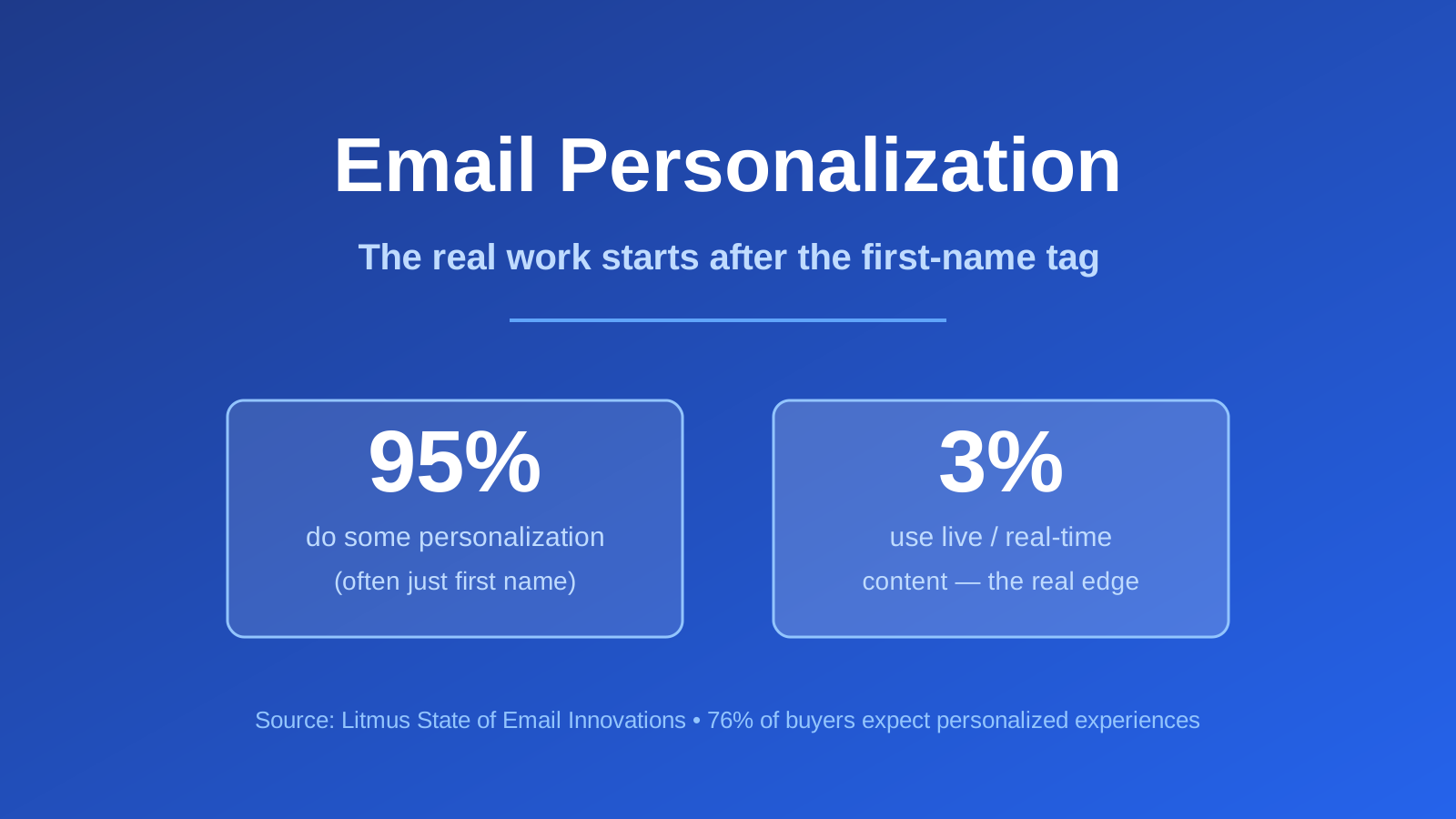
Quick answer: Real email personalization means tailoring content, timing, and offers to a subscriber’s behavior and preferences — not just dropping their first name in the subject line. Litmus found 95% of marketers do some personalization but only 3% use live or real-time dynamic content, the piece that actually moves results (Litmus). The highest-leverage move is segmentation: Mailchimp’s own data shows segmented campaigns get 14.31% higher opens and 100.95% higher clicks than non-segmented sends (Mailchimp). Written with AI assistance and reviewed against primary sources.
Full disclosure: Bluey Email is my own product. This is a how-to, not a pitch — the tactics work on any platform.
What is email personalization?
Personalization is using what you know about a subscriber to make an email more relevant to them specifically — their past purchases, browsing behavior, lifecycle stage, stated preferences, or location. The common mistake is stopping at a first-name merge tag. As Litmus puts it, personalization “isn’t just about personalizing email subject lines, using ‘first name’ or including specific information… Instead, it’s about providing the right nudge at the right time in the customer journey” (Litmus).
Why does personalization matter?
Because subscribers now expect it and reward it. Litmus reports that 76% of buyers expect personalized experiences, and that when it is done well it changes behavior. As Litmus Email Marketing Manager Tracie Pang says, “When personalization is done right, it’s something subscribers are more likely to engage with. They’re more likely to click on a product, browse your website, and make a purchase” (Litmus).
The gap between intent and execution is where the opportunity sits: 95% of marketers personalize in some form, but only 3% use live or real-time content (Litmus). Most of the field is stuck at “Hi, first name” — so doing the deeper work is a genuine differentiator.
The most powerful personalization: segmentation
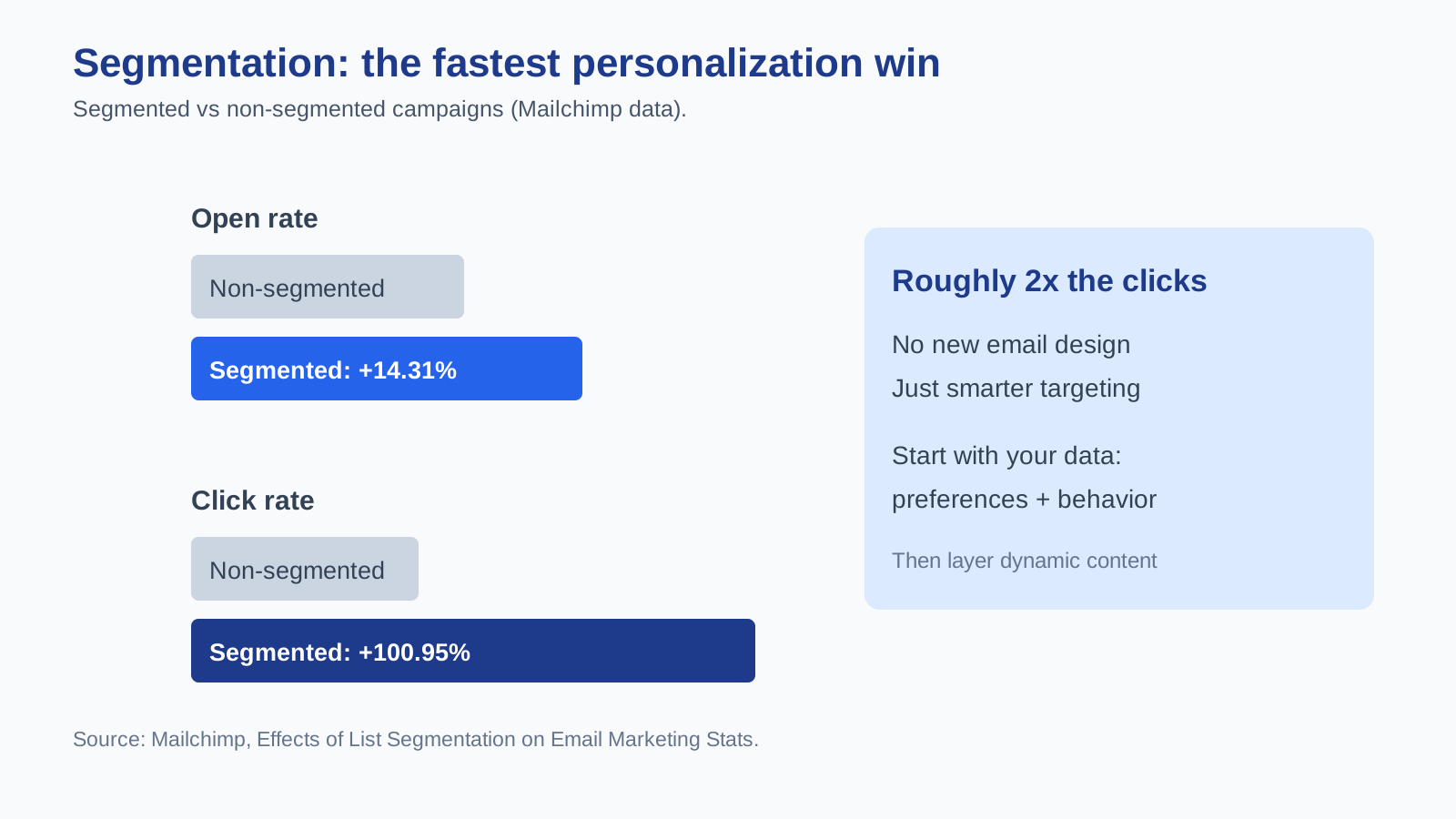
Before any fancy dynamic content, the single biggest lever is sending the right message to the right group. Mailchimp analyzed segmented versus non-segmented campaigns across its platform and found segmented campaigns saw 14.31% higher open rates and 100.95% higher clicks — roughly double the clicks — than non-segmented sends (Mailchimp). That is personalization at the list level, and it is usually the fastest win because it needs no new email design, just smarter targeting. Start with our guide to email segmentation.
What data powers personalization?
Litmus frames it as three data types, and you have more than you think even after third-party cookies and Apple Mail Privacy Protection (Litmus). Zero-party data is what subscribers tell you directly — preferences from a survey or a preference center. First-party data is behavior you observe — purchases, browsing, email engagement. Second-party data is another company’s first-party data you obtain for context. Zero-party data is especially valuable because subscribers hand it to you willingly, so a preference center pulls double duty: it personalizes and it reduces churn.
Personalization tactics that go beyond first name
Litmus lists several that raise engagement past the merge-tag baseline: real-time content like live polls, countdown timers, and interest signals; product recommendations based on purchase and browsing history; and lifecycle-based sends — a back-in-stock nudge for a browser, a review request for a repeat buyer, a re-engagement email for someone who has gone quiet (Litmus). You can also personalize timing and frequency, sending when each subscriber is most likely to read.
One non-negotiable: always include a generic fallback. Litmus warns you never want someone to receive a literal “FIRST NAME” or the wrong dynamic block, so test every personalized campaign and set defaults for missing data (Litmus). Behavioral personalization pairs naturally with automation.
Frequently asked questions
Does personalization go beyond using someone’s name? Yes — real personalization tailors content, product recommendations, timing, and offers to behavior and preferences. First-name tags are the baseline, not the strategy (Litmus).
What is the easiest high-impact personalization? Segmentation. Mailchimp’s data shows segmented campaigns roughly double clicks versus non-segmented, with no new design work needed (Mailchimp).
What data do I need to personalize? Zero-party (stated preferences), first-party (behavior you observe), and second-party (obtained context). A preference center is the cleanest way to collect zero-party data (Litmus).
How do I avoid personalization going wrong? Always set a fallback for missing data and test before sending, so no one receives a blank or literal merge tag (Litmus).
References
- Litmus, Email Personalization Best Practices — litmus.com
- Mailchimp, Effects of List Segmentation on Email Marketing Stats — mailchimp.com
Related reading: email segmentation, email marketing automation guide, email subject line formulas, welcome email series, and the best email marketing software pillar.
— Shivam